
What information should I exchange with the other driver after a car accident?
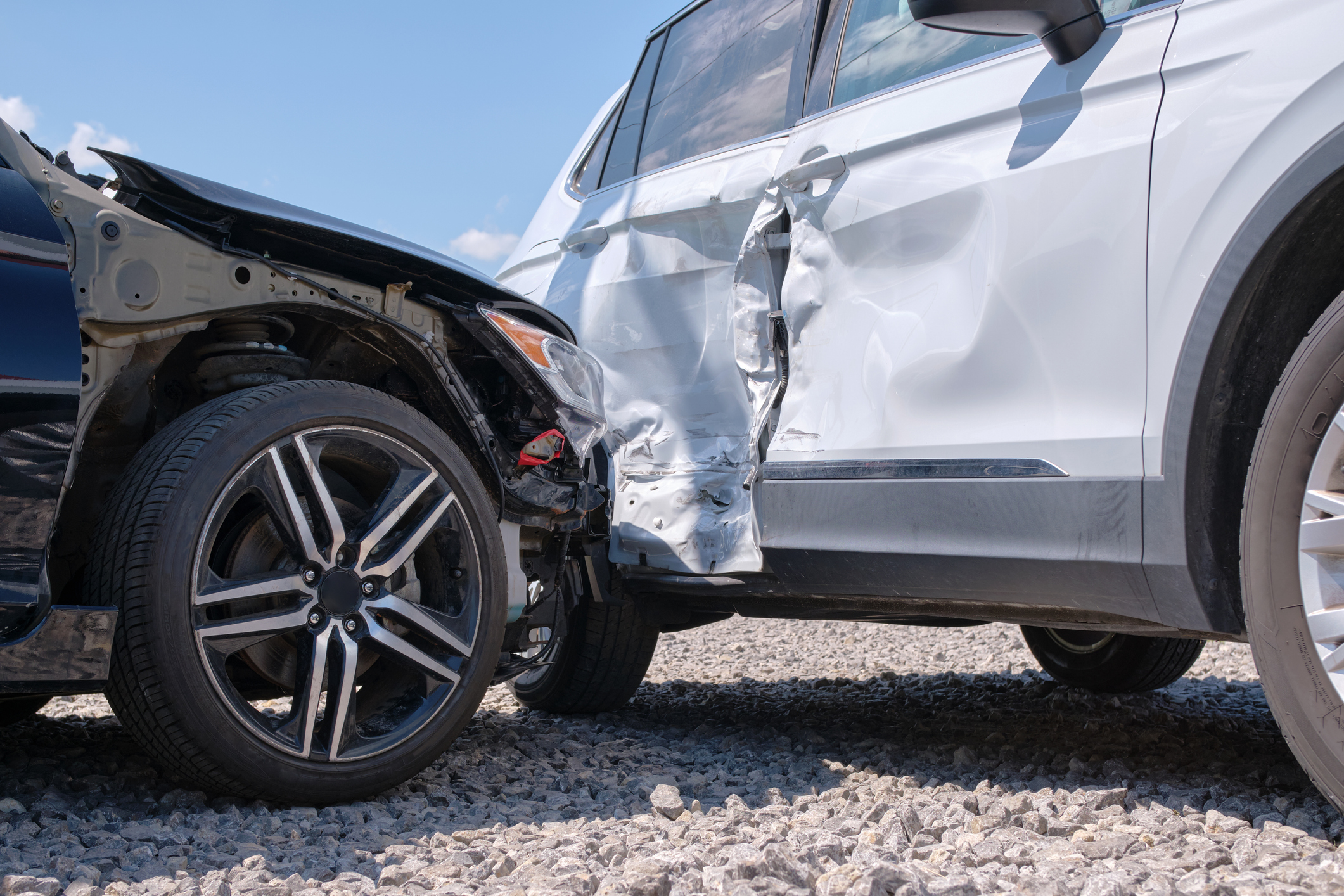
After a collision, you may have questions about your legal obligations, including “What information should I exchange with the other driver after a car accident?” Each state has different rules about the conversations and record-gathering you need to have with passengers, drivers, and witnesses after a crash—and when. If you are in doubt about what to do, at a bare minimum, it may be a good idea to give others your name, a way to reach you, and your insurance or registration details.
Getting into a crash can be a jarring and costly experience, emotionally, financially, and physically. With a robust roster of advocates on our team, we could assist you with taking the necessary steps to protect your health and rights after a collision. Our esteemed personal injury attorneys are leaders in their field and have received recognition for their service, including an AV Preeminent rating from Martindale-Hubbell and a 10 out of 10 from Avvo.
Do Drivers Always Have To Give Each Other Their Contact and Insurance Details?
Typically, the law of the state where the accident occurred determines when someone must gather information from the other driver and what they need to obtain. Some states only require this conversation to happen if one of the involved vehicles is inoperable or someone has serious injuries, while other states require it in nearly all contexts where there is a potential harm to a person or vehicle.
For example, Maryland Code, § Transportation § 20-104 says when an accident results in bodily injury, death, or damage to attended property, the driver must provide name, address, and vehicle registration number. The driver must provide their driver’s license only upon request, if available. The statute also requires reasonable assistance to an injured person, including arranging medical transportation when treatment is apparently necessary or requested. Under this law, even situations that cause minor damage or physical injuries may merit this discussion between those in the crash. Likewise, the state’s law may require the motorist to report the collision to law enforcement immediately after it happens or soon afterward.
What Information Do Those Involved in a Collision Need To Exchange?
While each state has its own rules about what actions a casualty should take after an auto wreck, it is common for the law to ask them to gather basic details from the other driver. This might include getting the person’s first and last name and information about their vehicle—including its make, model, and license plate number. Additionally, the casualty may benefit from getting the other driver’s insurance provider’s name, location, and contact details.
The idea is that each person involved or hurt in the incident—whether as a driver, passenger, or injured pedestrian—has what they need to begin to pursue legal action or file a claim. Presenting a driver’s license to the other motorist is also a common requirement.
Does a Passenger Need To Give Out Their Personal Information After a Traffic Incident?
Not every state requires a passenger to provide their contact details to others after a collision; however, if they were harmed, it may be beneficial for them to exchange this with the other driver. Having this information can help them notify the applicable insurance provider about their injuries and seek compensation. Likewise, it can streamline the process of filing a lawsuit to recoup their losses, if necessary.
Even though they were not driving when the wreck occurred, the passenger may also seize the opportunity to photograph the scene, surrounding landmarks, and the damage to and position of each vehicle. Having this information on hand may be useful in pursuing a financial award for their losses, such as a broken phone or bone.
Call an Attorney for Help Meeting the Reporting Requirements After a Crash
A common question you might have after a collision is, “What information should I exchange with the other driver after a car accident?” While each state issues its own regulations, many require you to tell the other motorist your name and—if you were driving—give them details about your vehicle, registration, and insurance provider. You may also need to give out your address and phone number and provide a picture of your driver’s license, but this is not a nationwide rule.
When you are in a crash and need help meeting or understanding your legal requirements, reach out to a seasoned lawyer at our office to schedule a no-obligation consultation. We could investigate your situation and help you take steps to protect your right to receive a settlement to address your losses.